Avoiding Bans: Rust Anti-Cheat Explained
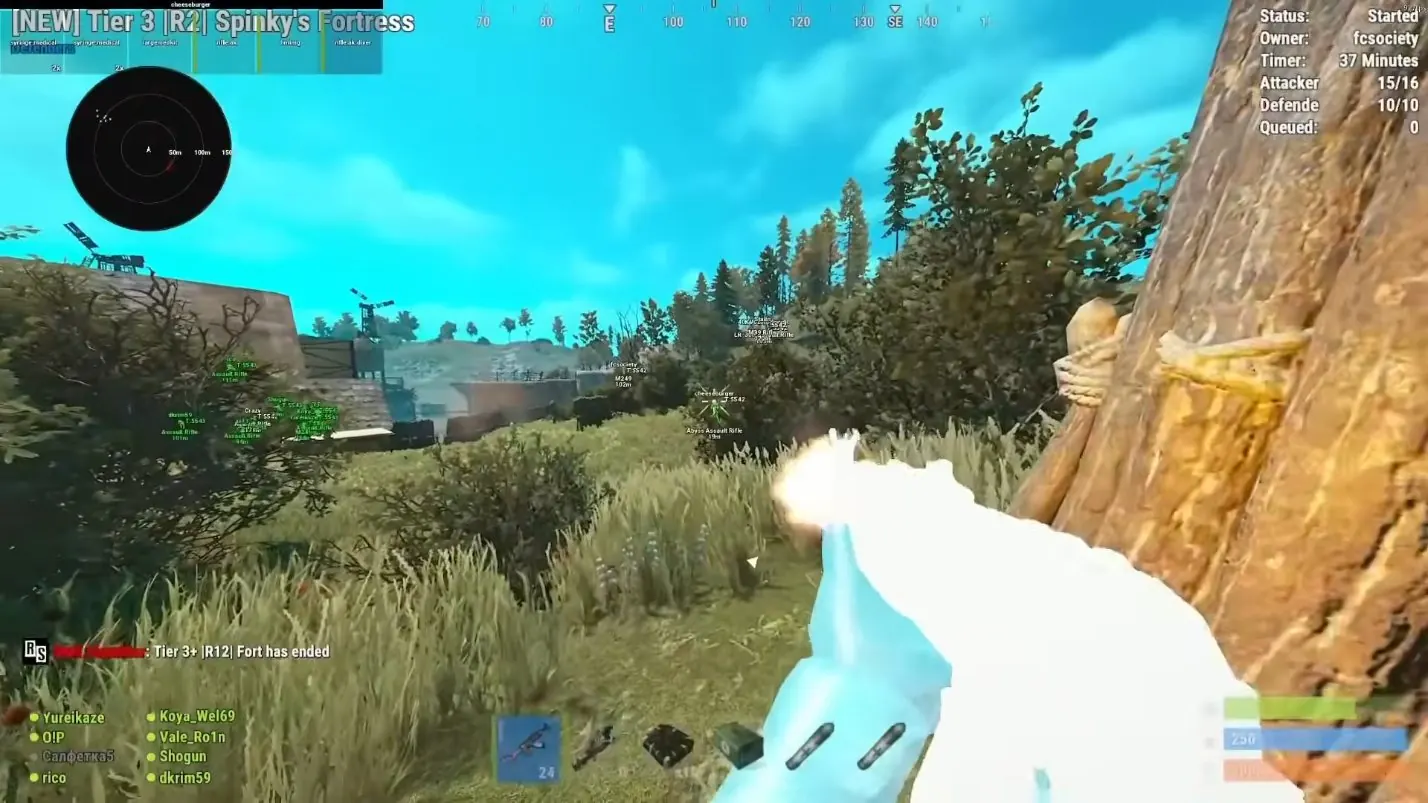
Rust’s anti-cheat stack is one of the most discussed systems in the survival genre. Players searching for Rust cheats inevitably ask the same question: how do bans actually happen, and what does “undetected” mean in practice? This article explains Easy Anti-Cheat (EAC) at a practical level and outlines habits that keep premium users safer.
Understanding anti-cheat is not academic curiosity — it directly affects how you configure features, when you play, and which provider you trust. The players who treat EAC as an active adversary rather than a static obstacle consistently maintain accounts longer than those who assume a single undetected build lasts forever.
The layers Facepunch relies on
Rust combines EAC’s client-side protections with server-side analytics and player reports. EAC looks for known cheat signatures, abnormal memory modifications, and suspicious loaded modules. Separately, Facepunch can action accounts based on trust factors, report velocity, and manual reviews — especially after viral clips or coordinated ban waves.
Community servers may add their own plugins. Passing EAC does not mean a custom anti-cheat will ignore blatant ESP. Always read server rules.
Server-side analytics add another dimension beyond EAC. Facepunch can review kill/death ratios, report frequency, playtime patterns, and clip submissions from other players. A perfectly undetected bypass does not protect you from a manual review triggered by fifty reports in a single session. This is why behavioral discipline matters as much as technical bypass quality — EAC is only one gate in a multi-layered system.
Some community servers run additional tools like server-side aim analysis, speed detection plugins, and admin spectate systems. These tools catch blatant behavior that EAC misses entirely. Before joining a new server, check their Discord for anti-cheat policies and whether admins actively spectate reported players.
Signature versus heuristic detection
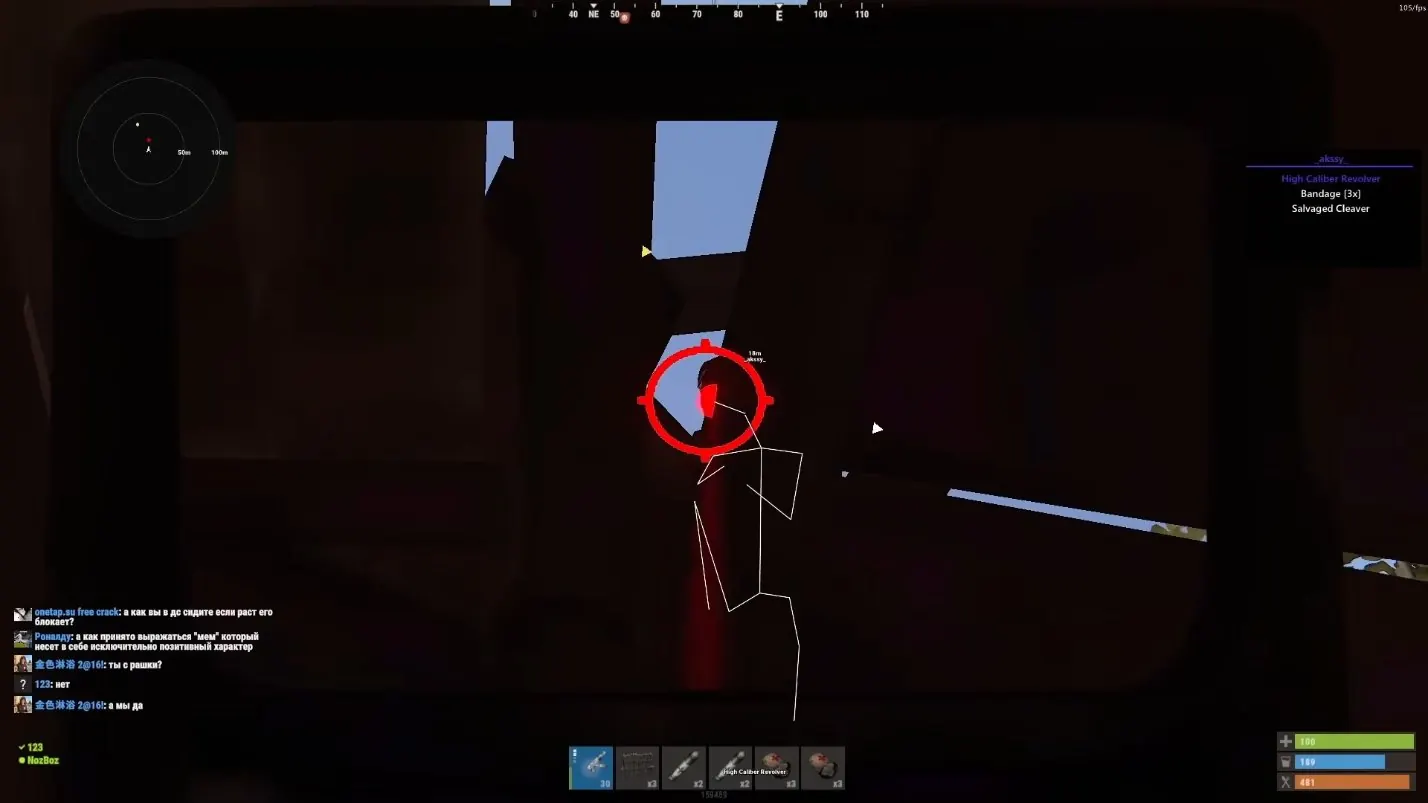
Signature detection matches known binaries or code patterns. This is why serious Rust hacks rebuild frequently and why outdated loaders are dangerous. Heuristic or behavioral detection looks at outcomes: perfect tracking, impossible pre-aims, or machine-like recoil. Config discipline fights heuristics; vendor updates fight signatures.
When a provider marks status as Undetected, they claim current signatures are clean. That status can change after an EAC update — which is why live status panels and regular updates matter more than marketing screenshots from last month.
Heuristic detection is harder to pin down because it evaluates behavior rather than code. Examples include tracking that never loses the target through smoke, recoil patterns that are mathematically perfect across hundreds of shots, and movement speeds that exceed game physics limits. Premium Rust hacks address heuristics through humanization features: randomized aim delays, partial recoil compensation, and speed multipliers capped at believable values. Your config choices directly influence heuristic risk.
Kernel-level anti-cheat components in EAC monitor system calls, driver loads, and memory integrity at a deeper level than older user-mode scanners. This is why premium providers invest in private bypass research rather than copying public methods — the detection surface area has grown significantly since Rust first adopted EAC.
How ban waves form
Ban waves often follow an anti-cheat data push: EAC ships new detections, providers scramble, and players who ignored update notices get hit. Waves also follow report spikes on popular officials. If dozens of players report the same blatant profile, manual attention increases even if signatures are clean.
Your defense is twofold: stay on the latest Rust Hacks build and avoid theatrical gameplay that farms reports. See How to Use Rust Cheats Safely in 2024 for config specifics.
Ban waves typically follow a predictable timeline. EAC ships a detection update — often bundled with a Rust patch. Free and public cheats get hit first within hours. Premium providers scramble to patch bypasses over the next 12–48 hours. Players who injected during the vulnerable window receive delayed bans that can arrive days or even weeks later. This delayed ban mechanism is why playing on an outdated build during a status-yellow period is so dangerous — you may not know you are flagged until the wave lands.
Report-driven waves work differently. When a player accumulates enough F7 reports, Facepunch may queue their account for manual review regardless of EAC status. Manual reviewers watch for ESP tells (pre-aiming corners, ignoring audio cues), aimbot tells (instant flicks, tracking through walls), and statistical anomalies. Keeping your play believable is the only defense against manual review.
HWID, accounts, and shared risk
Hardware bans and account bans are different tools. Providers use HWID locks to protect licenses; anti-cheat may fingerprint environments separately. Do not share accounts. Do not run multiple unknown cheats on the same machine. Keep your loader source of truth limited to official delivery channels after purchase via our Get Access flow.
HWID bans tie your hardware fingerprint to a ban record. Components like motherboard serial, disk identifiers, and network adapters contribute to the fingerprint. Reinstalling Windows alone does not reset your HWID — you need either new hardware or a legitimate HWID reset from your provider. Avoid HWID spoofer tools sold separately; they often carry their own signatures and can make your situation worse.
Account hygiene extends beyond HWID. Using the same email, payment method, and Steam profile across banned and active accounts creates linkable patterns. If you maintain a backup account, use separate credentials and treat it as a clean environment from day one.
What premium vendors do differently
Budget free cheats are signature playgrounds. Premium Rust cheats fund private research, obfuscation, and same-day patches. Instant delivery matters because you should never scrape Discord DMs for “updated.rar” files. 24/7 support matters because minutes after a patch are when bad advice spreads.
Rust Hacks emphasizes undetected status monitoring, rapid updates, and clear communication when features pause. That operational transparency is part of ban avoidance.
The economics are straightforward: a $15 weekly license funds ongoing bypass research, obfuscation engineers, and 24/7 support staff. A free cheat has no revenue to fund any of that — its business model is often adware, crypto miners, or selling your data. The true cost of a free cheat is a banned account, a compromised PC, or both. Premium undetected Rust cheats exist because players who value their accounts are willing to pay for maintained security.
Update speed is the single most important vendor metric. When Rust patches on a Thursday, you need a confirmed-safe build by Friday — not next week. Check historical update response times before committing to any provider. Rust Hacks publishes last-update timestamps on the live status page so you can verify freshness before every session.
Practical avoidance checklist
1. Check live status before launching. 2. Update after every Rust patch. 3. Use humanized aimbot and restrained ESP. 4. Avoid streaming menus. 5. Do not boast with impossible clips on the same account you main. 6. Use support channels instead of random YouTube inject tutorials.
7. Run only one cheat loader on your machine — multiple injectors increase signature collision risk. 8. Close the loader completely when not playing; idle injected processes are unnecessary exposure. 9. Never share your config files publicly — popular configs become detection targets when too many players run identical settings. 10. Review your last session's deaths and reports mentally before queuing again; patterns of blatant play compound over time.
Myths that get players banned
Myth: VPN prevents EAC bans. It does not address memory detections. Myth: Alt accounts make rage safe forever. Report networks and payment graphs still exist. Myth: Closing the cheat before death clears logs. Client-side presence is evaluated during the session, not only at exit.
Myth: Playing on modded servers is always safe. Many modded servers have stricter admin enforcement than officials. Myth: EAC only bans during active sessions. Delayed bans can arrive days after the detecting session. Myth: If your friend is not banned, your build is safe. Detection rolls out in waves — your friend may simply be later in the queue.
When something feels wrong
If inject fails suddenly, stop playing and wait for an official status update. If friends on the same build report issues, assume a detection experiment may be rolling out. Extend patience for a few hours rather than forcing play on a questionable build.
Warning signs during gameplay include unusual lag spikes when the cheat is active, random game crashes after inject, and other players mentioning bans in chat or Discord. If multiple people on your server get banned in the same hour, exit immediately and check status. Playing through a suspected detection window is how accounts with hundreds of hours get wiped in a single afternoon.
After any ban — whether on your account or a friend's — do not immediately reinject on a new account with the same build. Wait for official all-clear, download a fresh loader, and review your config for blatant settings that may have contributed to reports. Treat every ban in your circle as a data point, not an isolated incident.
Related reading
Compare tools in Rust ESP vs Aimbot and evaluate ROI in Is Rust Hacking Worth It?. Feature depth lives in Top 10 Rust Cheat Features You Need.
Conclusion
Avoiding bans is a partnership between an actively maintained undetected product and a player who respects behavioral limits. Understand EAC’s layers, respect update cycles, and configure for longevity. That is how competitive players keep their edge across wipes — not by chasing the most blatant settings for a single highlight reel.
The meta around Rust anti-cheat will keep evolving. New detection methods, new bypass techniques, and new report systems will emerge with every major update. Staying informed through provider status pages, community channels, and guides like this one is not optional — it is the cost of admission for anyone who wants to cheat sustainably rather than spectacularly for one wipe.
Ready to use premium Rust cheats?
Undetected aimbot, player ESP, no recoil & more — view pricing.
Buy Now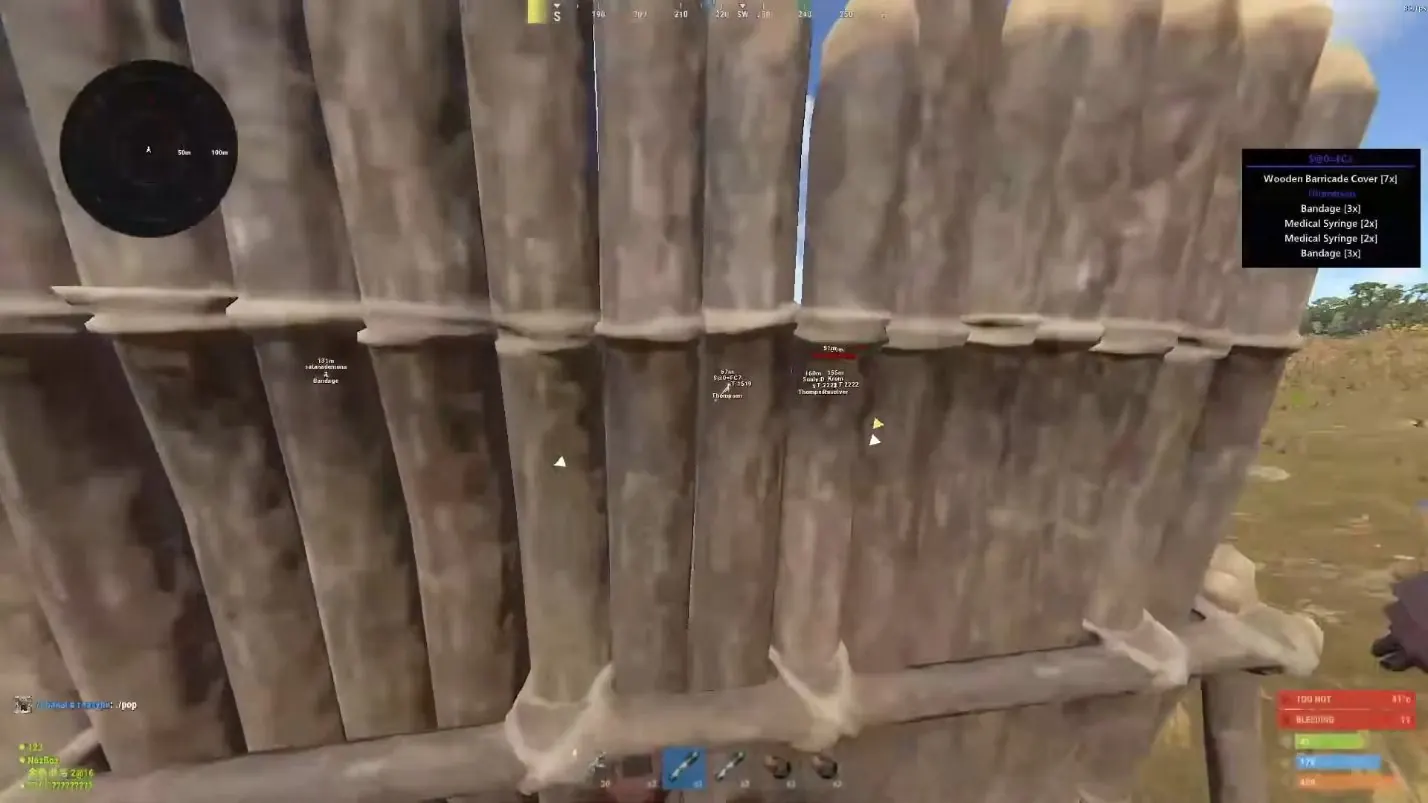

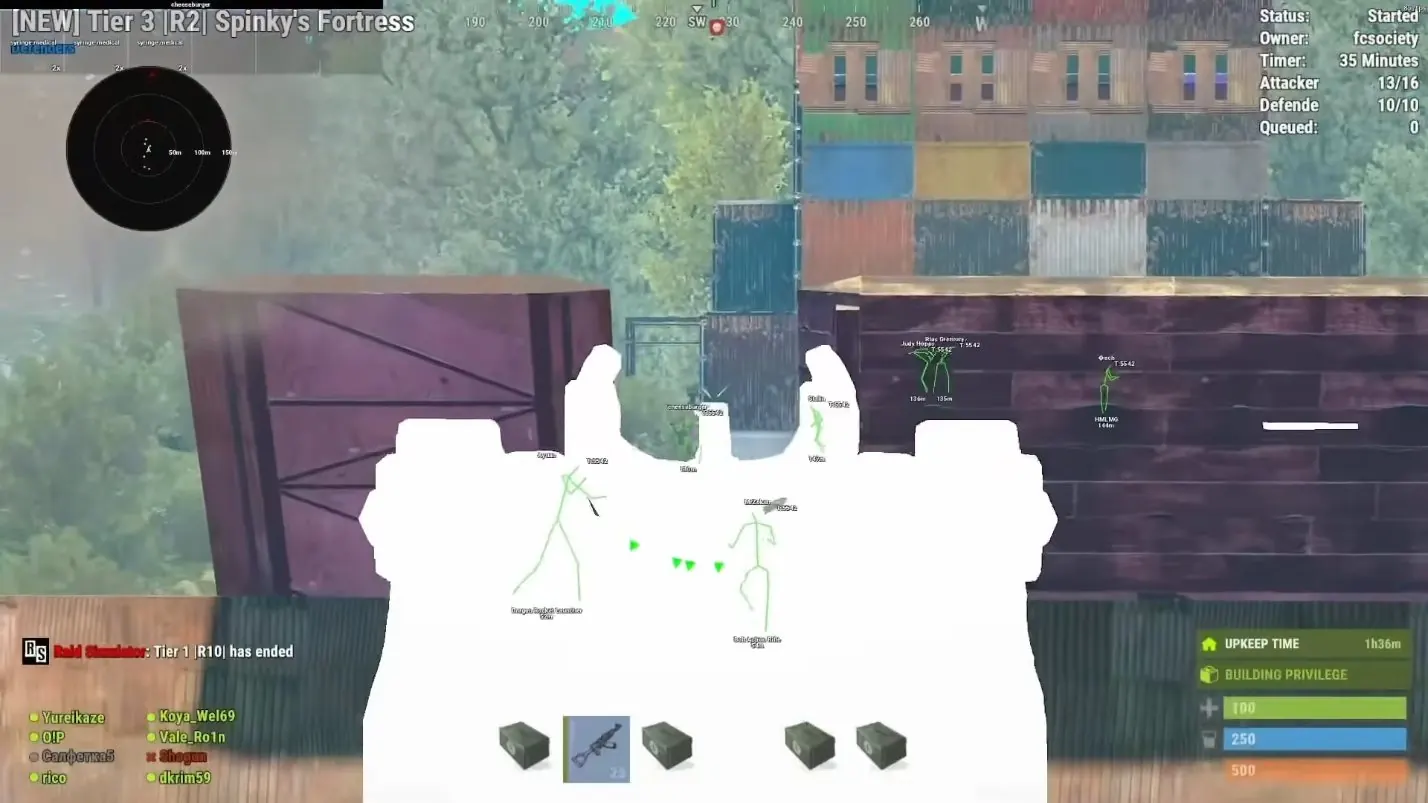
Explore more on the Rust Hacks blog or product features.