Rust ESP vs Aimbot: Which is Right for You?
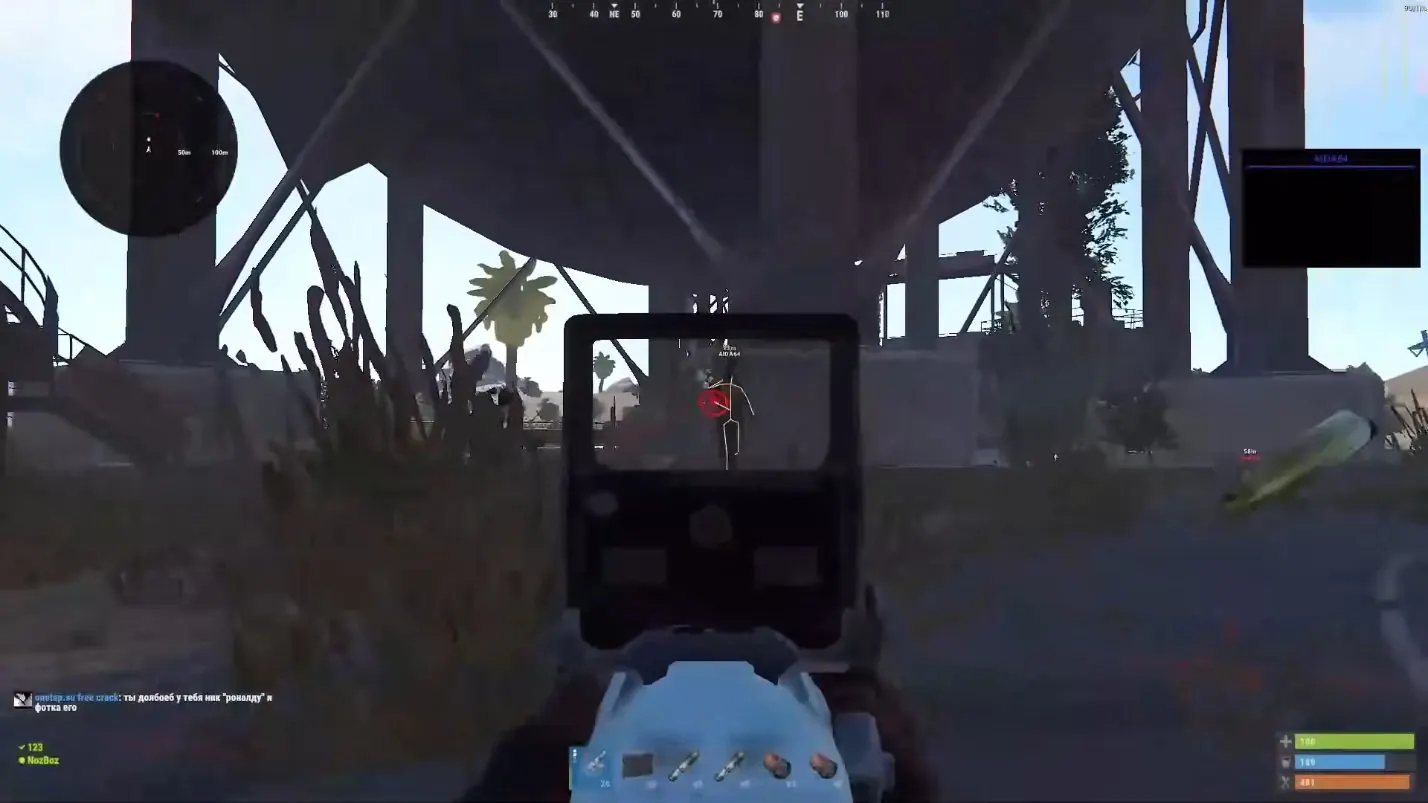
Every Rust cheats conversation eventually splits into two camps: players who swear by ESP and players who refuse to queue without aimbot. Both tools change the game — but they change different axes of skill. This guide breaks down Rust ESP versus aimbot so you can choose (or combine) features that match your role, risk tolerance, and wipe goals.
Before you spend money on a premium license, understanding what each module actually does — and what it does not do — saves you from buying the wrong tier or enabling features that fight your natural playstyle. This is not a simple “which is better” debate. It is a decision about which bottleneck in your Rust gameplay you want to eliminate first.
What ESP actually does
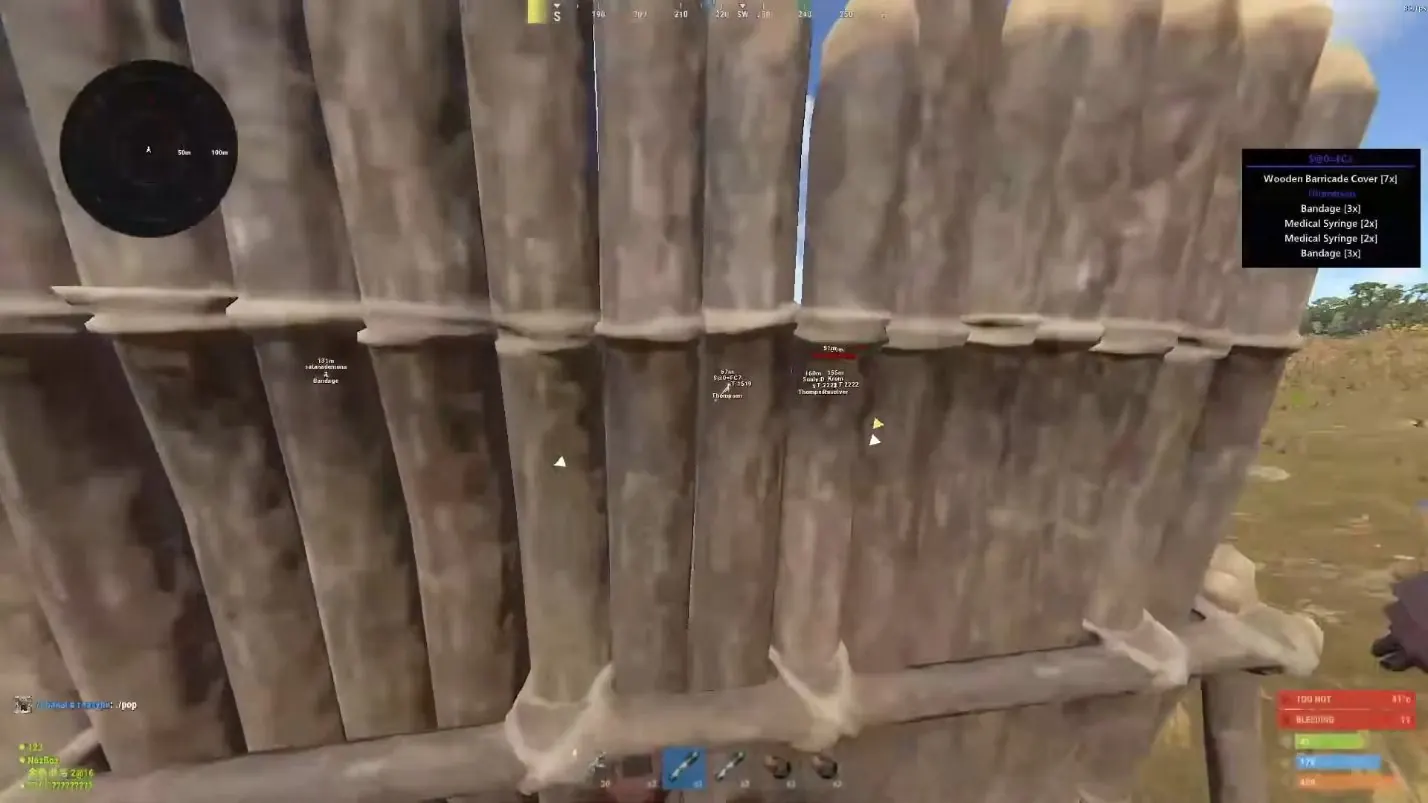
ESP, often called wallhack in casual talk, renders information the vanilla client hides: player skeletons through walls, distance tags, health bars, sleeping bodies, and sometimes tool cupboards or turrets. Item ESP extends that awareness to crates, dropped loot, and stashes. Player tags and inventory intel compress the same data into actionable callouts.
The power of ESP is informational asymmetry. You know when a roof camper exists before you hear the bolt. You know whether a base is offline. You route around groups instead of stumbling into them. For farmers and builders, ESP reduces dead time; for PVPers, it enables better peeks and third-party timing.
Advanced ESP configurations let you filter by entity type: players only, sleepers, NPCs, vehicles, and deployables like tool cupboards or sleeping bags. Distance sliders prevent screen clutter on large monuments. Health bars and weapon indicators help you decide whether to engage or disengage before the first shot fires. The best ESP users look like they have incredible game sense — because they do, augmented by data the vanilla client never shows.
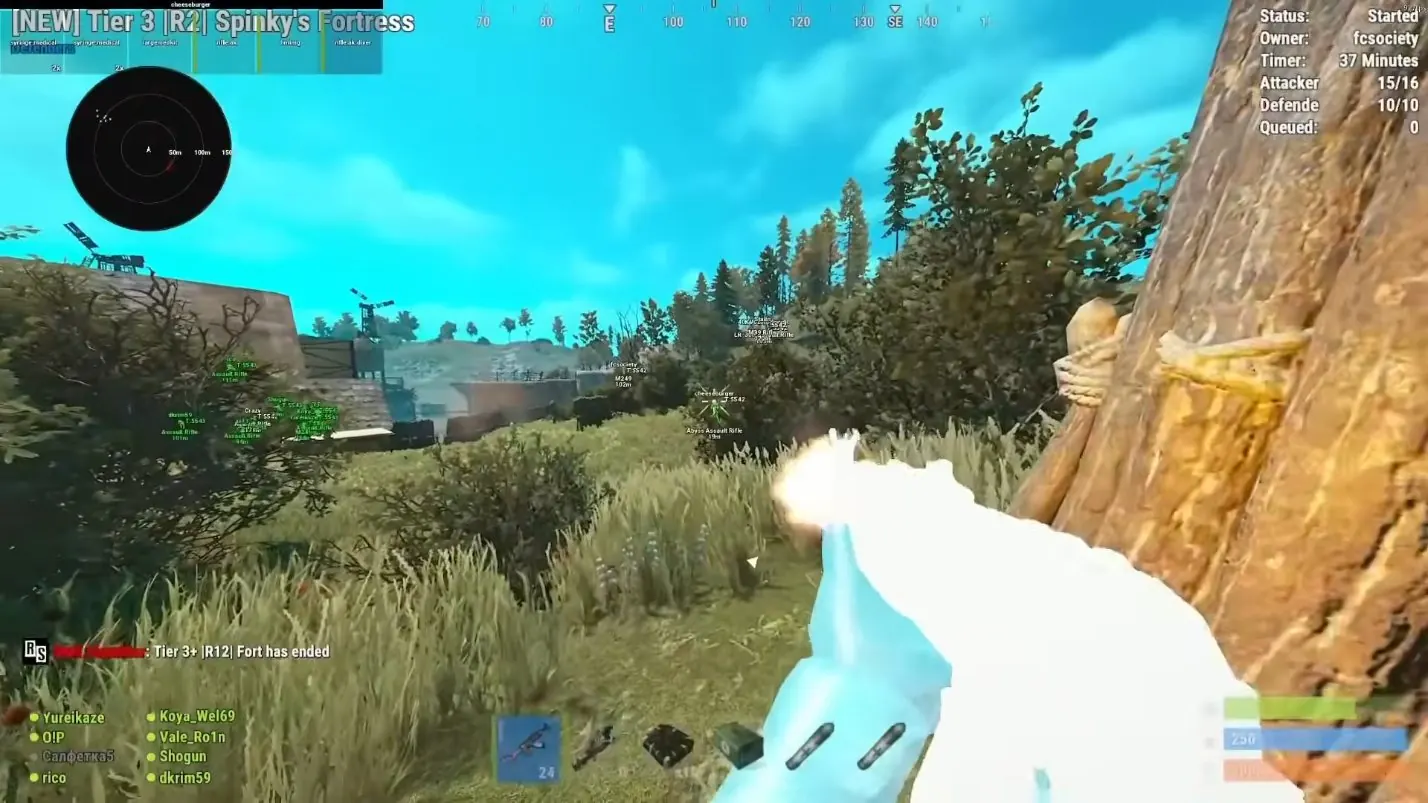
Item ESP deserves special mention because it solves a different problem than player ESP. While player ESP wins fights, item ESP wins economies. Knowing exactly which crate holds a rifle body, which barrel was already looted, and where stashes sit underground turns three-hour farm sessions into ninety-minute efficient runs. Many players who start with aimbot eventually realize item ESP funded their entire wipe.
What aimbot actually does
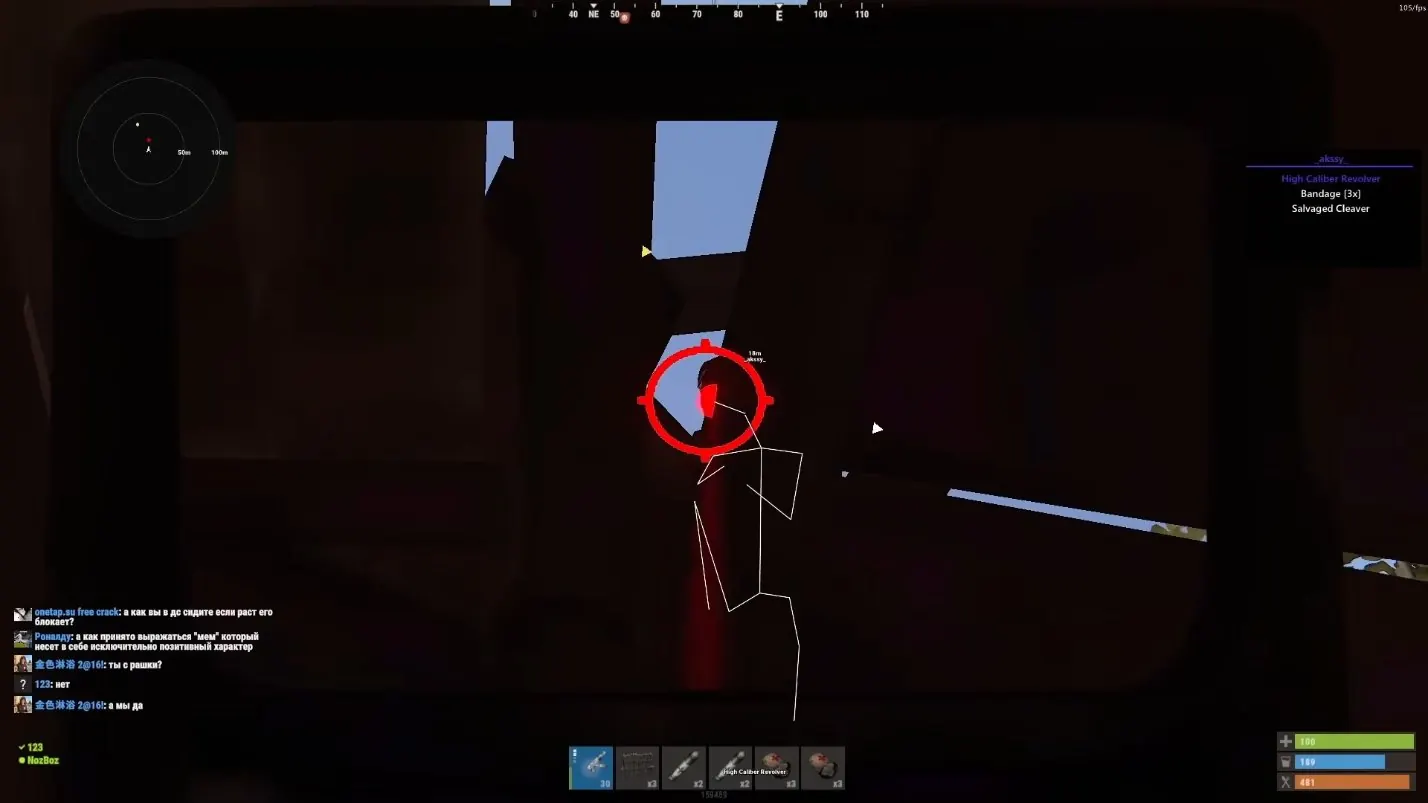
Aimbot assists or fully controls aim onto enemy hitboxes. Quality Rust aimbot implementations include FOV limits, smooth factors, bone priority, visibility checks, and humanization curves. Paired with no recoil, it turns spray transfers into consistent kills even under pressure.
Aimbot shines in close-to-mid fights where mechanical aim is the bottleneck — compound defenses, oil rig chaos, train yard sprays. It is less about knowing enemies exist and more about winning the duel once they do.
Modern Rust aimbot is far more nuanced than the snap-to-head bots of 2018. FOV limits restrict assistance to targets within a cone in front of your crosshair, so you still need to roughly aim in the right direction. Smoothing interpolates movement over several frames, mimicking human mouse adjustment. Bone priority lets you target chest for consistent damage or head for instant kills at the cost of higher suspicion. Visibility checks ensure the bot only engages targets you could theoretically see, reducing impossible wallbang scenarios.
Pairing aimbot with no recoil creates the classic Rust PVP stack. Recoil compensation handles vertical and horizontal spray patterns while aimbot handles target tracking. Together they turn the AK — Rust's most punishing rifle — into a reliable mid-range tool even under pressure. The key is tuning both modules to complement each other rather than maxing both and looking like a literal aimbot clip on every kill feed.
Playstyle matrix
Solo farmers: Item ESP and player ESP deliver the highest ROI. You avoid fights you cannot win and extract more sulfur per hour. Light aim assist helps if you must contest a node, but full rage aimbot is optional.
Aggressive duos: Aimbot plus ESP is the classic stack. One player holds angles with ESP intel while the other entry-frags with smoothed aim. Sleeper and player ESP reduce the chance of getting sandwiched.
Zerg PVP: Coordination already solves some information gaps, so aimbot consistency and no recoil often matter more in mass fights. ESP still helps call numbers through smoke and clutter.
Builders and base designers: Player ESP matters less than item ESP and deployable awareness. Knowing when neighbors are online, where their TC sits, and whether raid windows are open changes your building strategy entirely. Aimbot is optional unless you actively roam for PVP content.
Monument runners: Oil rig, cargo ship, and locked crate events are ESP-dominant scenarios. You need to know player counts on each level, who is camping the recycler, and whether a counter is approaching from the water. Aimbot helps in the inevitable close-quarters fights but ESP prevents you from walking into a four-man hold in the first place.
Roof campers and snipers: Long-range bolt and L96 play benefits more from ESP intel — knowing exactly when someone peeks a doorway — than from close-range aimbot. Configure for visibility checks and moderate smoothing on headshots only when the target is stationary or slow-moving.
Detection and report optics
ESP is “quiet” when used subtly — you still swing angles and use audio. Overusing wall information with perfect pre-fires invites spectator reports. Aimbot is louder if snapping is obvious. Humanized aimbot configs from premium Rust hacks mitigate this, especially when FOV stays tight.
Neither feature is inherently safer. Behavioral context decides report volume. Read our safety guide: How to Use Rust Cheats Safely in 2024.
Spectator reports are the silent killer for ESP-heavy players. When you consistently rotate to flank positions that only make sense with wall information, experienced players notice. Mitigate this by mixing ESP intel with audible cues — wait for footsteps before peeking, use fake rotations, and occasionally take fights you should lose to maintain believable K/D patterns. Aimbot users face a different report profile: instant headshot chains, tracking through smoke, and inhuman flick speeds. Humanization settings exist specifically to address these tells.
Performance considerations
Dense ESP overlays cost frames on low-end CPUs. Cap entity distance and disable unnecessary boxes. Aimbot CPU cost is usually negligible compared to ESP. If you stream, hide ESP colors that bloom on low bitrate encodes.
Frame rate directly affects aimbot feel. At 60 FPS, smoothing values need to be higher to look natural. At 144+ FPS, you can run tighter FOV and lower smooth values because the bot has more frames to interpolate across. Test your config at your actual play resolution and refresh rate — copying someone else's settings from a 240Hz setup will feel wrong on a 60Hz laptop screen.
GPU matters less for cheats than CPU, but rendering hundreds of ESP boxes at max distance can still cause stutters that make aimbot tracking jerky. Rule of thumb: if your FPS drops below 60 during a monument fight, reduce ESP draw distance before touching aimbot settings.
Feature synergy with the rest of the suite
Sleeper ESP and raid ESP complement player ESP when you need offline and base intel. No recoil multiplies aimbot value on AK and LR. Resource ESP is the economic win that funds kits for more PVP.
Browse the full list on our features section and compare tiers on pricing.
The full Rust Hacks suite is designed so modules reinforce each other. Raid ESP and sleeper ESP give you base and offline context without filling your screen with every entity — perfect when you already run player ESP during pushes. Resource ESP funds the kits that aimbot and no recoil convert into wins. No recoil ensures that when aimbot engages, your spray stays on target through the entire magazine.
Config profiles let you toggle between ESP-heavy farm setups and aimbot-heavy PVP setups with a hotkey. This is not just convenience — it is a safety feature. Running max ESP and max aimbot simultaneously increases both your report profile and your screen clutter. Smart players match their active modules to the current activity.
Decision framework
Choose ESP-first if your deaths come from information failures: unexpected roof campers, unknown group sizes, missed loot. Choose aimbot-first if your deaths come from lost sprays and panic aim. Choose both if you play ranked intensity every night and want maximum edge — that is what the full Monthly or Lifetime suite unlocks.
Ask yourself three questions before choosing: Where do I die most often? What activity takes the most time in my sessions? What does my group need from me? Solo farmers answer differently than trio PVP mains. Be honest about your weakest axis — information, mechanics, or economy — and buy the tier that addresses it. Upgrading later is always an option; starting with the wrong focus wastes your first wipe learning curve.
Common myths
Myth: ESP alone never gets banned. Reality: mass reporting still happens when play looks psychic. Myth: Aimbot always looks obvious. Reality: smoothed, FOV-limited aim can look like strong native aim on VODs. Myth: You must max every slider. Reality: the best configs are restrained.
Myth: You need aimbot to be good at Rust. Reality: many top enhanced players run ESP-only with manual aim and outperform rage aimbot users because their decision-making is superior. Myth: ESP and aimbot conflict with each other. Reality: they solve different problems and work best together when configured for complementary intensity levels.
Recommendation
Most new customers start Monthly with ESP, aimbot, and no recoil enabled at medium intensity, then tune down after a few sessions. That path teaches which axis — information or mechanics — mattered more for your rank. For a broader feature tour, see Top 10 Rust Cheat Features You Need.
Whether you main wallhack vision or aim assistance, buy from a provider with undetected status and regular updates. Rust Hacks ships both feature families with 24/7 support so you can iterate configs without guessing alone.
Start your first session with ESP at medium distance and aimbot disabled. Play for an hour and note every death — was it information or mechanics? Then enable aimbot at low smooth and repeat. This A/B test costs nothing but time and tells you exactly where to invest config tuning for the rest of the wipe. Most players are surprised to find that ESP alone solves more problems than they expected.
Ready to use premium Rust cheats?
Undetected aimbot, player ESP, no recoil & more — view pricing.
Buy Now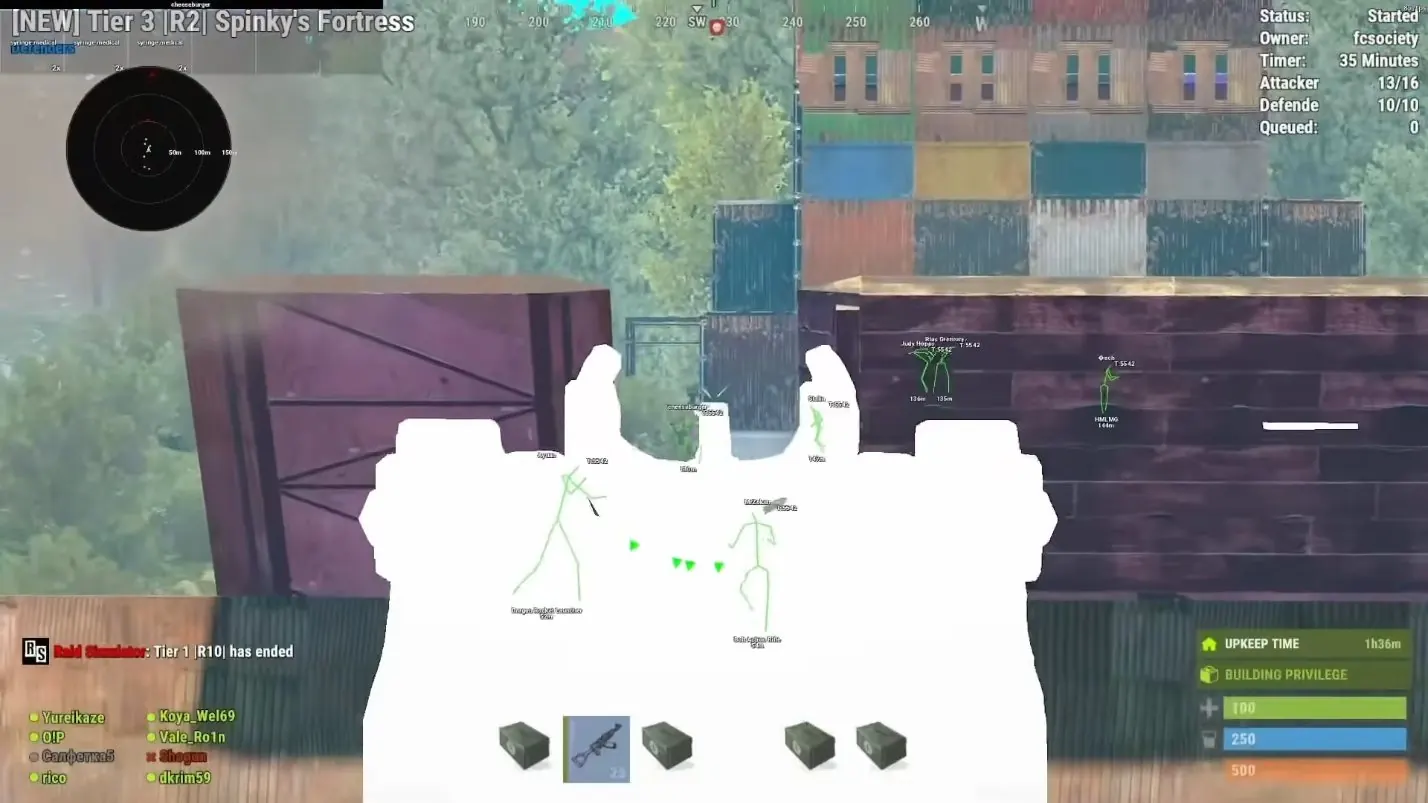
Explore more on the Rust Hacks blog or product features.